
Synonyms for small are essential when you want to describe size more precisely. Imagine you are writing about a tiny apartment or a little mistake. Using just “small” works, but choosing the right synonym makes your writing richer.
Many students, bloggers, and content writers rely on synonyms for small to make their sentences more interesting. For example, instead of saying “a small room,” you might say “a compact room” or “a tiny space,” which gives your reader a clearer picture.
Learning synonyms for small improves everyday English. Whether in emails, essays, or conversations, these words help you express ideas naturally. Bloggers and writers especially benefit, as repetition of “small” can make content feel flat or dull.
This guide will show practical synonyms for small, their meanings, tone differences, and examples. By exploring these alternatives, you can expand your vocabulary and confidently use synonyms for small in writing and speaking.

What Does “Small” Really Mean?
Part of Speech: Adjective
Simple Definition: Not large in size, amount, or degree.
“Small” describes size, quantity, or importance. Native speakers use it to indicate something compact, limited, or minor. For example:
- A small box on the shelf
- A small mistake in the essay
Common Contexts: Objects, people, quantities, details, ideas.
Connotative Meaning
Connotation (emotional feeling a word carries beyond its basic meaning):
- Positive: Suggests delicacy, cuteness, or charm (small puppy).
- Neutral: Simple, factual description of size (small room).
- Negative: Implies weakness, insignificance, or limitation (small effort).
Understanding tone helps you choose the right synonym for your context.
Etymology
- Origin: Old English smæl, meaning thin or narrow.
- Middle English: smal, used to mean “minor” or “slight”.
- Modern English: Adopted as “small,” commonly describing size, importance, or quantity.
Pronunciation:
- US: /smɔːl/
- UK: /smɔːl/
Syllables: small (1 syllable)
Affixation Pattern: Base word only
Root: smæl
Prefix: none
Suffix: none
Synonyms List
Tiny (Adjective) — US: /ˈtaɪ.ni/ | UK: /ˈtaɪ.ni/
Meaning: Very small in size.
Examples:
- The kitten was tiny but full of energy.
- She wore a tiny ring on her finger.
Miniature (Adjective) — US: /ˈmɪn.i.ə.tʃɚ/ | UK: /ˈmɪn.i.ə.tʃər/
Meaning: Much smaller than the normal size.
Examples:
- He collects miniature cars from around the world.
- The model house is a miniature version of the real one.
Petite (Adjective) — US: /pəˈtiːt/ | UK: /pəˈtiːt/
Meaning: Small and delicately built.
Examples:
- She is petite but very strong.
- The boutique offers clothing for petite women.
Little (Adjective) — US: /ˈlɪt.əl/ | UK: /ˈlɪt.əl/
Meaning: Small in size, age, or importance.
Examples:
- The little boy smiled shyly.
- I made a little mistake in my notes.
Compact (Adjective) — US: /kəmˈpækt/ | UK: /kəmˈpækt/
Meaning: Small and efficiently designed.
Examples:
- The car is compact but comfortable.
- We need a compact plan for this project.

Mini (Adjective) — US: /ˈmɪn.i/ | UK: /ˈmɪn.i/
Meaning: Smaller version of something.
Examples:
- I bought a mini fridge for my dorm.
- She loves mini cupcakes.
Diminutive (Adjective) — US: /dɪˈmɪn.jə.tɪv/ | UK: /dɪˈmɪn.jʊ.tɪv/
Meaning: Extremely small.
Examples:
- The diminutive dog fit in her handbag.
- He has a diminutive frame.
Slight (Adjective) — US: /slaɪt/ | UK: /slaɪt/
Meaning: Small in degree or amount.
Examples:
- There was a slight change in the schedule.
- She felt a slight pain in her arm.
Microscopic (Adjective) — US: /ˌmaɪ.krəˈskɑː.pɪk/ | UK: /ˌmaɪ.krəˈskɒp.ɪk/
Meaning: Extremely small, only visible with a microscope.
Examples:
- We studied microscopic organisms in biology class.
- There was a microscopic scratch on the lens.
Pocket-sized (Adjective) — US: /ˈpɑː.kɪt.saɪzd/ | UK: /ˈpɒk.ɪt.saɪzd/
Meaning: Small enough to fit in a pocket.
Examples:
- He carries a pocket-sized notebook everywhere.
- The guidebook is pocket-sized for convenience on the go.
Teeny (Adjective) — US: /ˈtiː.ni/ | UK: /ˈtiː.ni/
Meaning: Extremely small; very tiny.
Examples:
- The baby bird was teeny and fragile.
- She put a little sugar in her tea.
Teensy (Adjective) — US: /ˈtiːn.zi/ | UK: /ˈtiːn.zi/
Meaning: Very small in size.
Examples:
- He wore a teensy hat for the doll.
- The chocolate piece was teensy but delicious.
Puny (Adjective) — US: /ˈpjuː.ni/ | UK: /ˈpjuː.ni/
Meaning: Small and weak or insignificant.
Examples:
- The puny puppy struggled to climb the stairs.
- His puny effort didn’t impress the teacher.
Modest (Adjective) — US: /ˈmɑː.dɪst/ | UK: /ˈmɒd.ɪst/
Meaning: Small in size, amount, or scale.
Examples:
- They lived in a modest house by the lake.
- She had a modest collection of books.
Minute (Adjective) — US: /maɪˈnjuːt/ | UK: /maɪˈnjuːt/
Meaning: Extremely small or tiny.
Examples:
- The details were minute but important.
- He examined the minute scratches on the glass.
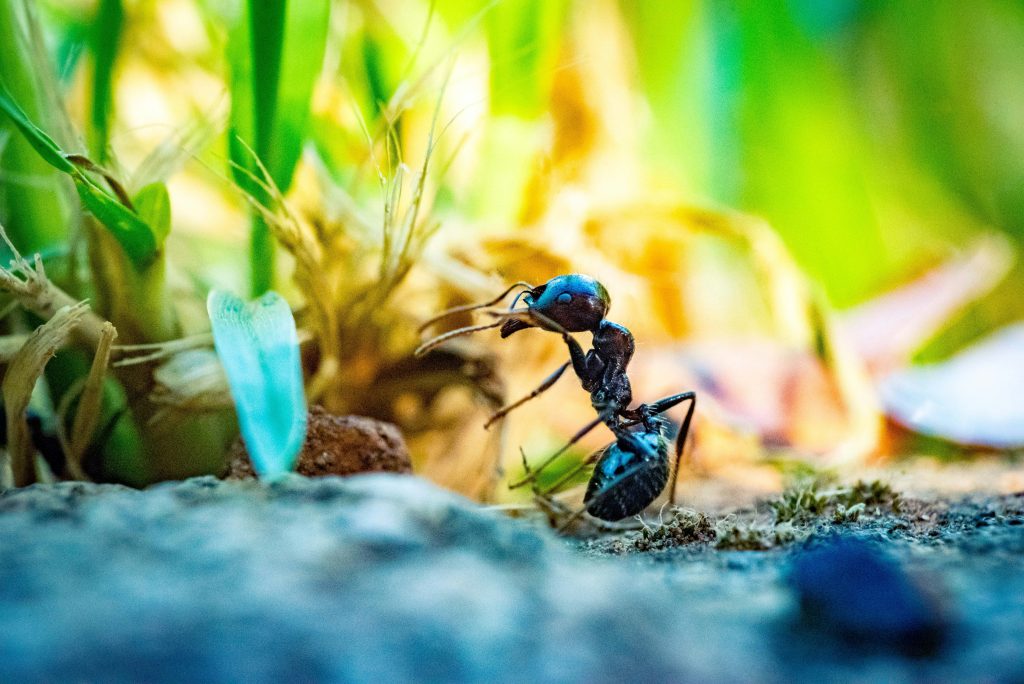
Bitty (Adjective) — US: /ˈbɪt.i/ | UK: /ˈbɪt.i/
Meaning: Very small pieces or parts.
Examples:
- The cookies came in bitty pieces.
- She wrote a bitty note and left it on the desk.
Elfin (Adjective) — US: /ˈel.fɪn/ | UK: /ˈel.fɪn/
Meaning: Small and delicate, often charming.
Examples:
- The dancer had an elfin grace.
- He wore an elfin cap at the costume party.
Toy (Adjective) — US: /tɔɪ/ | UK: /tɔɪ/
Meaning: Small and miniature, like a toy.
Examples:
- They bought a toy version of the car.
- The toy model looked exactly like the real one.
Small-scale (Adjective) — US: /smɔːl skeɪl/ | UK: /smɔːl skeɪl/
Meaning: Limited in size, amount, or scope.
Examples:
- They ran a small-scale experiment.
- The company produces small-scale furniture.
Undersized (Adjective) — US: /ˌʌn.dərˈsaɪzd/ | UK: /ˌʌn.dəˈsaɪzd/
Meaning: Smaller than normal; below standard size.
Examples:
- The undersized sweater didn’t fit him.
- The undersized tomatoes were perfect for salad.
Miniaturized (Adjective) — US: /ˈmɪn.i.ə.tʃɚ.aɪzd/ | UK: /ˈmɪn.i.ə.tʃə.raɪzd/
Meaning: Made smaller than the normal size.
Examples:
- The factory miniaturized the model’s design.
- Miniaturized robots are used in medicine.
Skimpy (Adjective) — US: /ˈskɪm.pi/ | UK: /ˈskɪm.pi/
Meaning: Smaller than desired or insufficient.
Examples:
- She wore a skimpy outfit to the party.
- The portions were skimpy for such a big meal.
Meager (Adjective) — US: /ˈmiː.ɡɚ/ | UK: /ˈmiː.ɡər/
Meaning: Very small in amount; insufficient.
Examples:
- The meager salary barely covered rent.
- He made a meager attempt to clean the room.
Wee (Adjective) — US: /wiː/ | UK: /wiː/
Meaning: Very small; tiny.
Examples:
- They lived in a wee cottage by the river.
- Give the wee puppy a little treat.
Little-bit (Adjective) — US: /ˈlɪt.əl bɪt/ | UK: /ˈlɪt.əl bɪt/
Meaning: Slightly small; a tiny amount.
Examples:
- Add a little bit of sugar to your coffee.
- The project was just a little bit challenging.
Miniature-scale (Adjective) — US: /ˈmɪn.i.ə.tʃɚ skeɪl/ | UK: /ˈmɪn.i.ə.tʃə skeɪl/
Meaning: Extremely small version of something.
Examples:
- They built a miniature-scale replica of the Eiffel Tower.
- The artist creates miniature-scale paintings.
Microsized (Adjective) — US: /ˈmaɪ.kroʊ.saɪzd/ | UK: /ˈmaɪ.krə.saɪzd/
Meaning: Tiny, almost microscopic.
Examples:
- The micro-sized components fit perfectly.
- Scientists work with microorganisms in the lab.
Infinitesimal (Adjective) — US: /ˌɪn.fɪ.nɪˈtes.ɪ.məl/ | UK: /ˌɪn.fɪ.nɪˈtes.ɪ.məl/
Meaning: Extremely small; barely measurable.
Examples:
- The chances of winning were infinitesimal.
- There was an infinitesimal crack in the glass.
Dinky (Adjective) — US: /ˈdɪŋ.ki/ | UK: /ˈdɪŋ.ki/
Meaning: Small, unimportant, or unimpressive.
Examples:
- He drove a dinky little car.
- The dinky apartment barely had space to walk.
Miniature-like (Adjective) — US: /ˈmɪn.i.ə.tʃɚ laɪk/ | UK: /ˈmɪn.i.ə.tʃə laɪk/
Meaning: Resembling something very small.
Examples:
- She created a miniature-like garden on her balcony.
- The model train looked miniature compared to the real thing.
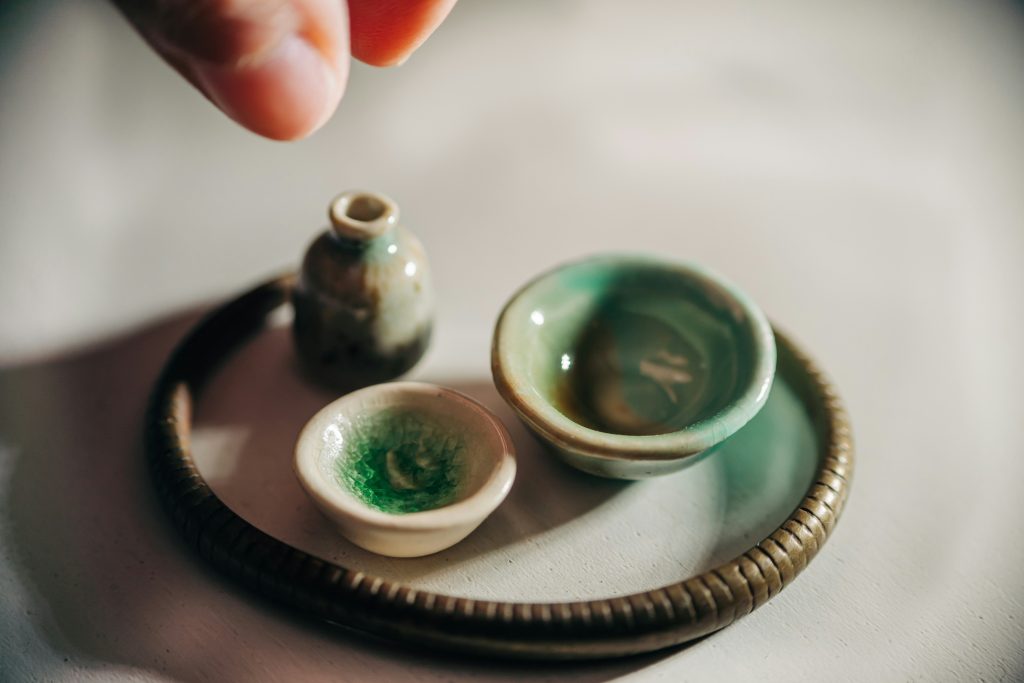
Frail (Adjective) — US: /freɪl/ | UK: /freɪl/
Meaning: Small and weak; delicate.
Examples:
- The frail kitten needed extra care.
- His frail hands held the fragile glass.
Narrow (Adjective) — US: /ˈnær.oʊ/ | UK: /ˈnær/.əʊ/
Meaning: Small in width or limited space.
Examples:
- The narrow alley barely allowed a bike to pass.
- She chose the narrow shelf for the books.
Scant (Adjective) — US: /skænt/ | UK: /skænt/
Meaning: Very small in amount; insufficient.
Examples:
- There was scant evidence to prove the claim.
- He ate a scant portion of dinner.
Slender (Adjective) — US: /ˈslen.dɚ/ | UK: /ˈslen.dər/
Meaning: Thin, small, and graceful in shape.
Examples:
- She has a slender frame.
- The tree had a slender trunk.
Short (Adjective) — US: /ʃɔːrt/ | UK: /ʃɔːt/
Meaning: Small in length or duration.
Examples:
- He wore short pants in summer.
- The meeting was short but productive.
Little-known (Adjective) — US: /ˌlɪt.əlˈnoʊn/ | UK: /ˌlɪt.əlˈnəʊn/
Meaning: Small in recognition; not widely known.
Examples:
- It is a little-known fact that cats can recognize human voices.
- She discovered a little-known café in the city.
Weensy (Adjective) — US: /ˈwiːn.zi/ | UK: /ˈwiːn.zi/
Meaning: Extremely tiny, cute, or small.
Examples:
- The puppy had a weensy nose.
- I put a weensy amount of salt in the soup.
Mini-sized (Adjective) — US: /ˈmɪn.i saɪzd/ | UK: /ˈmɪn.i saɪzd/
Meaning: Small version of something.
Examples:
- She bought a mini-sized backpack for her trip.
- The mini-sized cake fit perfectly on the plate.
Petty (Adjective) — US: /ˈpe.ti/ | UK: /ˈpe.ti/
Meaning: Small and unimportant.
Examples:
- He got upset over a petty issue.
- Don’t waste time on petty arguments.
Synonyms by Tone
- Positive: tiny, petite, miniature, pocket-sized
- Neutral: small, little, compact, slight, mini
- Negative: puny, meager, undersized
- Playful/Informal: teeny, bitty, wee
Why Tone Matters: Choosing the right synonym helps convey the exact feeling and avoids misunderstandings.
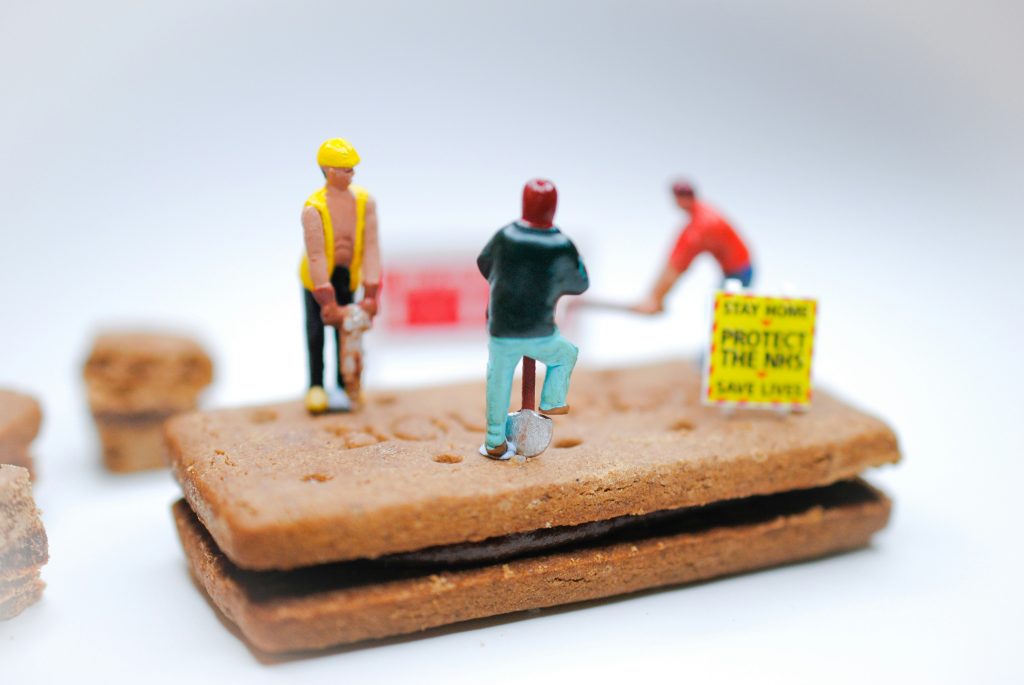
Mini Comparison: Small vs Tiny vs Petite
| Word | Meaning | Tone | Usage |
| Small | General smallness | Neutral | Daily English, descriptions |
| Tiny | Extremely small | Positive | Cute objects, pets |
| Petite | Small and delicate | Positive/Formal | Fashion, people description |
Context-Based Usage
- Daily conversation: “The little cup is good for tea.”
- Writing/blogging: “A small detail can change the story.”
- Professional/academic: “The study included a small sample size.”
- Creative/informal: “She wore a petite hat at the party.”
Common Mistakes & Native Usage
- Avoid using tiny in formal reports.
- Don’t overuse small in descriptive writing; it makes sentences dull.
- Be careful: petite is typically for people, not objects.
Register Notes:
- Small, tiny, little – neutral/informal
- Petite, compact – formal or specialized use
- Puny, meager – negative tone
Real-Life Mini Scenarios
- Workplace: “We need a small budget adjustment.”
- Social: “Her tiny dog followed her everywhere.”
- Media/Pop Culture: “The hero wore a miniature mask.”
- Writing/Storytelling: “He had a slight chance to win the game.”
Exercise: Practice Synonyms for Small
1–10. Choose the best synonym for each sentence:
- The kitten was ___ and adorable.
- She wore a ___ dress to the party.
- The car is ___ but reliable.
- I noticed a ___ scratch on the table.
- He made a ___ mistake in the test.
- This notebook is ___ enough to fit in your pocket.
- The study used a ___ sample of participants.
- They have a ___ garden behind the house.
- The cookie was ___ but tasty.
- Her voice was ___ but clear.
11–15. Short reflection/application:
- Write one sentence about an object around you using a synonym for “small.”
Answer Key: tiny, petite, compact, microscopic, slight, pocket-sized, small, little, mini, diminutive
Conclusion
Learning synonyms for small makes your English more precise, expressive, and professional.
These words help students, writers, and bloggers avoid repetition and improve content quality.
Practicing them in daily conversation, emails, and essays increases confidence and fluency.
Try using these synonyms today to describe objects, people, and ideas more vividly. Expand your vocabulary naturally and enjoy creative writing!
FAQs
1. What are some common synonyms for “small”?
Common synonyms include tiny, little, petite, mini, compact, slight, diminutive, microscopic, modest, and wee. Each can be used depending on context and tone.
2. How do I choose the right synonym for “small”?
Choose based on context and tone. For example, “petite” is positive and often describes people, “tiny” emphasizes size, and “slight” refers to small amounts or degrees.
3. Is “mini” a formal synonym for “small”?
No. “Mini” is informal and playful, typically used for objects like mini pizzas or mini skirts, not in professional writing.
4. Can “small” be negative in tone?
Yes. Words like “petty” or “insignificant” carry a negative connotation, implying unimportance rather than just size.
5. Are there differences between American and British English in using synonyms for small?
Pronunciation differs (e.g., US: /smɔːl/ | UK: /smɔːl/), but meaning is mostly the same. Some words like “wee” are more common in UK/Scottish English.
6. How can I make my writing more engaging by using synonyms for small?
Replace repetitive words with context-appropriate synonyms. For example, use “tiny” for emphasis, “modest” for professional tone, and “wee” for playful writing.
7. Can “small” describe people?
Yes, but words like “petite” or “diminutive” are more natural and positive when describing someone’s size.
8. Are “slight” and “small” interchangeable?
Not always. “Slight” usually refers to degree or amount (a slight chance), whereas “small” refers to physical size or quantity.
9. Why is learning synonyms for “small” important for ESL learners?
It helps learners expand vocabulary, speak naturally, avoid repetition, and express subtle differences in tone and meaning.
10. Can synonyms for “small” improve writing for blogs and storytelling?
Absolutely. Using synonyms like “miniature,” “tiny,” or “compact” makes descriptions more vivid, engaging, and professional.
