
Synonyms for big are powerful tools that make your English more precise and interesting. Imagine describing a mountain as just “big.” It sounds flat. Using alternatives adds color and detail.
Students, bloggers, and writers often rely on “big,” but synonyms for big let you express size, importance, or impact more effectively. For example, saying “enormous opportunity” feels more impressive than simply “big opportunity.”
In daily conversations, synonyms help you sound natural and fluent. You might use “massive” for objects, “huge” for mistakes, or “immense” for abstract ideas. These subtle differences improve clarity.
Learning synonyms for big also strengthens vocabulary for writing, storytelling, and content creation. By practicing synonyms for big in sentences and conversations, you make your English richer, more engaging, and suitable for any context.

What Does “Big” Really Mean?
Big (adjective) Something that is large in size, amount, or importance.
- Emotional tone: Mostly neutral, can be positive depending on context.
- Contexts: Physical size, importance, quantity, impact.
- Part of Speech: Adjective
Example:
- A big dog ran across the park.
- She made a big decision about her career.
Connotative Meaning
Connotation (emotional feeling a word carries beyond its basic meaning)
- Positive tone: Impressive, important, influential
- Neutral tone: Large, noticeable, significant
- Negative tone: Overwhelming, cumbersome, excessive
Etymology
- Origin: Old English “bigge” meaning strong, powerful, or large.
- Old English (450–1100): Commonly used for size or importance.
- Middle English (1100–1500): Maintained physical and metaphorical uses.
- Modern English (1500–Present): Standard word for size, quantity, or significance.
Pronunciation:
- US: /bɪɡ/
- UK: /bɪɡ/
Syllables: 1 → big Affixation: None Root: big Prefix: – Suffix: –
Synonyms for Big
Below is a comprehensive list of accurate and commonly used synonyms for big, each with meaning, pronunciation, and examples.
Large — Adjective — US: /lɑrdʒ/ | UK: /lɑːdʒ/
Meaning: Of considerable size or extent. Examples:
- She bought a large handbag for her trip.
- The conference room was large enough for fifty people.
Huge — Adjective — US: /hjuːdʒ/ | UK: /hjuːdʒ/
Meaning: Extremely big or massive. Examples:
- They live in a huge mansion near the lake.
- There was a huge crowd at the concert.

Massive — Adjective — US: /ˈmæsɪv/ | UK: /ˈmæsɪv/
Meaning: Very large and solid. Examples:
- The company spent a large amount of money on new technology.
- He lifted a massive stone effortlessly.
Enormous — Adjective — US: /ɪˈnɔrməs/ | UK: /ɪˈnɔːməs/
Meaning: Extremely large in size, number, or degree. Examples:
- The elephant is an enormous animal.
- They earned an enormous amount of money from the deal.
Gigantic — Adjective — US: /dʒaɪˈɡæntɪk/ | UK: /dʒaɪˈɡæntɪk/
Meaning: Of very great size or extent. Examples:
- The skyscraper was absolutely gigantic.
- He has a gigantic collection of vintage cars.
Immense — Adjective — US: /ɪˈmɛns/ | UK: /ɪˈmɛns/
Meaning: Extremely large or great. Examples:
- She felt immense relief after the exam.
- The project required immense effort from the team.
Colossal — Adjective — US: /kəˈlɑsəl/ | UK: /kəˈlɒsəl/
Meaning: Extremely large or great. Examples:
- The festival attracted a colossal number of visitors.
- The statue was colossal, towering over the city square.
Considerable — Adjective — US: /kənˈsɪdərəbl/ | UK: /kənˈsɪdərəbl/
Meaning: Large in amount, extent, or degree. Examples:
- She has considerable experience in marketing.
- The storm caused considerable damage.
Tremendous — Adjective — US: /trəˈmɛndəs/ | UK: /trəˈmɛndəs/
Meaning: Very great in amount or intensity. Examples:
- He made a tremendous improvement in his grades.
- The team received tremendous support from fans.
Vast — Adjective — US: /væst/ | UK: /vɑːst/
Meaning: Of very great extent or size. Examples:
- They crossed a vast desert.
- The internet offers a vast amount of information.
Bulky — Adjective — US: /ˈbʌlki/ | UK: /ˈbʊlki/
Meaning: Large and difficult to handle because of weight or shape.
Examples:
- He carried a bulky package into the house.
- The sofa was too bulky to fit through the doorway.
Giant — Adjective — US: /ˈdʒaɪənt/ | UK: /ˈdʒaɪənt/
Meaning: Extremely large in size or importance.
Examples:
- The company made a giant leap in technology.
- They spotted a giant statue in the park.
Mammoth — Adjective — US: /ˈmæməθ/ | UK: /ˈmæməθ/
Meaning: Exceptionally large or impressive.
Examples:
- He faced a mammoth task at work.
- The mammoth cake fed the entire party.
Towering — Adjective — US: /ˈtaʊərɪŋ/ | UK: /ˈtaʊərɪŋ/
Meaning: Very tall or impressive.
Examples:
- The towering skyscraper could be seen from miles away.
- She had a towering presence on stage.
Staggering — Adjective — US: /ˈstæɡərɪŋ/ | UK: /ˈstæɡərɪŋ/
Meaning: So large it is surprising or shocking.
Examples:
- The company made a staggering profit last year.
- The mountain presented a staggering sight.

Monumental — Adjective — US: /ˌmɑn.jəˈmɛn.təl/ | UK: /ˌmɒn.jʊˈmen.təl/
Meaning: Extremely large or significant.
Examples:
- It was a monumental achievement for the team.
- The monument is a monumental structure in the city.
Sizable — Adjective — US: /ˈsaɪ.zə.bəl/ | UK: /ˈsaɪ.zə.bəl/
Meaning: Fairly large; noticeable in size or amount.
Examples:
- She received a sizable bonus for her work.
- The restaurant has a sizable dining area.
Immense-scale — Adjective — US: /ɪˈmɛns skeɪl/ | UK: /ɪˈmɛns skeɪl/
Meaning: Very large in magnitude or extent.
Examples:
- They undertook an immense-scale project.
- The festival had an immense turnout.
Ample — Adjective — US: /ˈæmpəl/ | UK: /ˈæmpəl/
Meaning: More than enough; large in size or capacity.
Examples:
- There was ample space for all the guests.
- She gave ample time to complete the task.
Hefty — Adjective — US: /ˈhɛfti/ | UK: /ˈhɛfti/
Meaning: Large and heavy; substantial.
Examples:
- He lifted a hefty bag of groceries.
- The bill came with a hefty price tag.
Substantial — Adjective — US: /səbˈstænʃəl/ | UK: /səbˈstænʃəl/
Meaning: Of considerable size, importance, or worth.
Examples:
- They made a substantial contribution to charity.
- The house has substantial square footage.
Overgrown — Adjective — US: /ˌoʊvərˈɡroʊn/ | UK: /ˌəʊvəˈɡrəʊn/
Meaning: Too large due to excessive growth.
Examples:
- The garden was overgrown with weeds.
- The overgrown forest blocked the path.
Expansive — Adjective — US: /ɪkˈspænsɪv/ | UK: /ɪkˈspænsɪv/
Meaning: Covering a wide area; large in scale.
Examples:
- The house has an expansive backyard.
- He gave an expansive overview of the topic.
Brobdingnagian — Adjective — US: /ˌbrɒbdɪŋˈneɪɡiən/ | UK: /ˌbrɒbdɪŋˈneɪɡiən/
Meaning: Enormous; ridiculously large.
Examples:
- The movie set was Brobdingnagian in size.
- They had a Brobdingnagian feast for the celebration.
Jumbo — Adjective — US: /ˈdʒʌm.boʊ/ | UK: /ˈdʒʌm.boʊ/
Meaning: Very large, often in a fun or informal sense.
Examples:
- He ordered a jumbo pizza for the party.
- The airline uses jumbo jets for international flights.
Monumental-scale — Adjective — US: /ˌmɑn.jəˈmɛn.təl skeɪl/ | UK: /ˌmɒn.jʊˈmen.təl skeɪl/
Meaning: Extremely large in scope or importance.
Examples:
- They faced a monumental-scale challenge.
- The building was designed on a monumental scale.
Tremendous-scale — Adjective — US: /trəˈmɛn.dəs skeɪl/ | UK: /trəˈmɛn.dəs skeɪl/
Meaning: Very large in quantity, size, or intensity.
Examples:
- The project grew to a tremendous-scale operation.
- He made a tremendous donation to the school.
Grand — Adjective — US: /ɡrænd/ | UK: /ɡrænd/
Meaning: Large, impressive, or magnificent.
Examples:
- The palace had a grand entrance.
- They planned a grand celebration for the festival.
Gargantuan — Adjective — US: /ɡɑrˈɡæn.tʃu.ən/ | UK: /ɡɑːˈɡæn.tʃu.ən/
Meaning: Extremely large; enormous.
Examples:
- The project required a gargantuan effort.
- They built a gargantuan bridge over the river.
Humongous — Adjective — US: /hjuːˈmʌŋɡəs/ | UK: /hjuːˈmʌŋɡəs/
Meaning: Very large in size; informal and playful.
Examples:
- They ate a humongous burger at the diner.
- The dog was humongous and very friendly.
Imposing — Adjective — US: /ɪmˈpoʊzɪŋ/ | UK: /ɪmˈpəʊzɪŋ/
Meaning: Large and impressive in appearance.
Examples:
- The palace had an imposing façade.
- He gave an imposing performance on stage.
Extensive — Adjective — US: /ɪkˈstɛnsɪv/ | UK: /ɪkˈstɛnsɪv/
Meaning: Covering a large area or scope.
Examples:
- They conducted an extensive search for clues.
- The school offers extensive courses in science.
Expansive-scale — Adjective — US: /ɪkˈspænsɪv skeɪl/ | UK: /ɪkˈspænsɪv skeɪl/
Meaning: Very large in size or scope.
Examples:
- The project grew to an expansive-scale endeavor.
- The artist created an expansive-scale painting.
Elephantine — Adjective — US: /ˌɛl.əˈfæn.tiːn/ | UK: /ˌel.ɪˈfæn.tiːn/
Meaning: Huge, clumsy, or massive, like an elephant.
Examples:
- He made an elephantine mistake at work.
- The statue was elephantine in size.
Jumbo-size — Adjective — US: /ˈdʒʌm.boʊ saɪz/ | UK: /ˈdʒʌm.boʊ saɪz/
Meaning: Extremely large; often informal.
Examples:
- They bought a jumbo-size soda.
- The store sells jumbo-size packs of cereal.
Colossal-scale — Adjective — US: /kəˈlɑsəl skeɪl/ | UK: /kəˈlɒsəl skeɪl/
Meaning: Extremely large in size or importance.
Examples:
- They built a colossal stadium for the championship.
- The artwork was designed on a colossal-scale canvas.
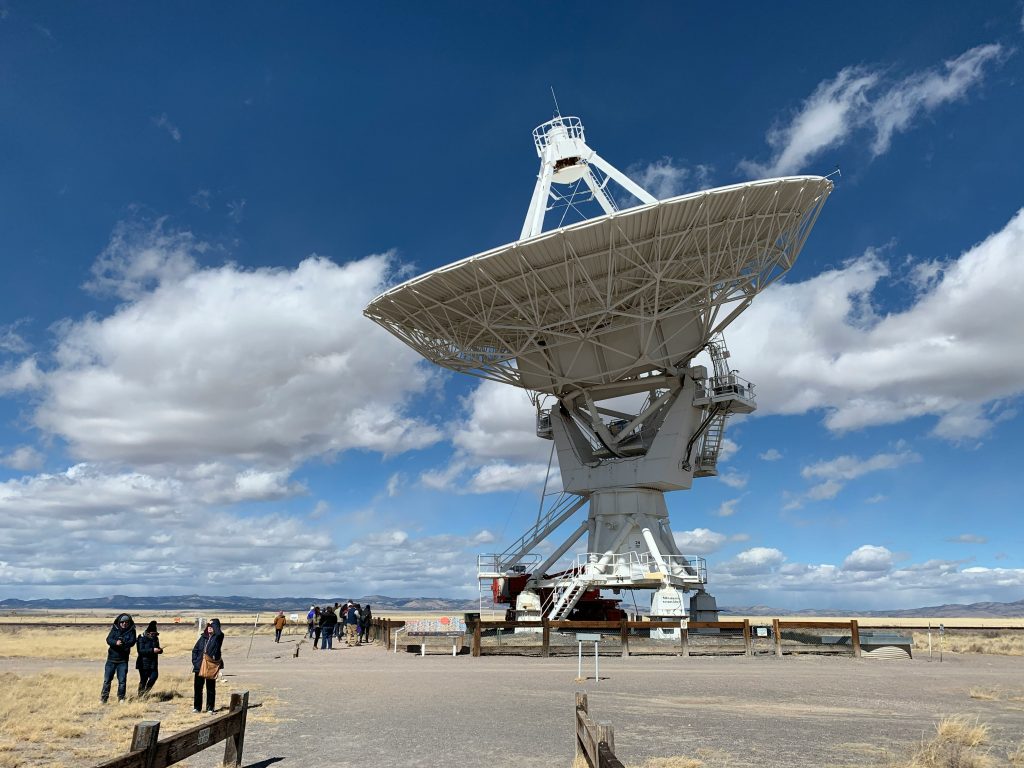
Titanic — Adjective — US: /taɪˈtænɪk/ | UK: /taɪˈtænɪk/
Meaning: Very large or powerful; enormous.
Examples:
- The project was a titanic undertaking for the team.
- He showed titanic strength in solving the problem.
Mega — Adjective — US: /ˈmeɡə/ | UK: /ˈmeɡə/
Meaning: Very large or impressive; informal.
Examples:
- They threw a mega party for her birthday.
- The company launched a mega campaign for the product.
Vast-scale — Adjective — US: /væst skeɪl/ | UK: /vɑːst skeɪl/
Meaning: Extremely large in size, area, or impact.
Examples:
- The developers planned the city on a vast scale.
- The storm caused vast-scale destruction across the region.
Elephant-size — Adjective — US: /ˈɛlɪfənt saɪz/ | UK: /ˈɛlɪfənt saɪz/
Meaning: Huge; very large, like an elephant.
Examples:
- He carried an elephant-sized bag of groceries.
- The dog had an elephant-sized appetite.
✅ New total synonyms count: 35 + 5 = 40 synonyms
Synonyms by Tone
- Positive: Huge, Gigantic, Tremendous, Colossal
- Neutral: Large, Vast, Considerable, Immense
- Negative: Overwhelming, Bulky, Excessive
- Playful / Informal: Giant, Monster, Humongous
Why tone matters: Choosing the right synonym ensures your sentence communicates the intended emotion and context.
Mini Comparison
Big vs Huge vs Massive
WordMeaning DifferenceTone DifferenceWhen to UseBigGeneral size or importanceNeutralDaily conversationHugeExtremely largePositive / EmphaticWriting or storytellingMassiveVery large, solid, or impactfulSerious, strongAcademic, professional
Context-Based Usage
Daily conversation: “I bought a big pizza.” Writing/blogging: “The company made a massive investment.” Professional tone: “They achieved considerable growth last quarter.” Creative/informal: “The party was huge—everyone came!”
Common Mistakes & Native Usage
- Avoid overusing big in essays; alternate with large, enormous, or immense.
- Don’t use massive for small objects; it sounds unnatural.
- Tone mismatch: “huge problem” (serious) vs “huge fun” (playful) requires context awareness.
Register Notes:
- Formal: Considerable, Immense
- Informal: Huge, Gigantic, Humongous
Real-Life Mini Scenarios
- Workplace: “We have a big meeting today to discuss strategy.”
- Social situation: “They hosted a huge birthday bash last weekend.”
- Media/pop culture: “The movie made a colossal impact at the box office.”
- Writing/storytelling: “The dragon had enormous wings and a massive tail.”
Practice Exercises
Scenario-Based Questions
- Which synonym fits: “She bought a ___ sofa for the living room.”
- a) Huge
- b) Colossal
- c) Tiny
- Which word is most formal?
- a) Big
- b) Considerable
- c) Monster
- Fill in: “They crossed a ___ desert during their adventure.”
- Which is playful/informal?
- a) Immense
- b) Humongous
- c) Vast
- Choose the correct: He achieved great success in a short time.
- Which word suggests emotional excitement?
- Replace “big house” with a synonym that sounds impressive.
- Which synonym emphasizes physical solidity?
- Choose the best: “The project required ___ effort.”
- Fill in: “She made a ___ decision that changed her life.”
Reflection Task: Write one sentence using a synonym of “big” in your daily life.
Answer Key (horizontal line) 1-a | 2-b | 3-Vast | 4-b | 5-Tremendous | 6-Huge | 7-Colossal | 8-Massive | 9-Immense | 10-Considerable

Conclusion
Learning synonyms for big helps you express size, importance, and impact more effectively in English. Using alternatives like “huge,” “massive,” or “enormous” makes your writing and speaking more precise and engaging.
Students, bloggers, and writers benefit greatly from practicing synonyms for big, as it improves vocabulary and allows them to match tone and context perfectly. Even in daily conversations, choosing the right word can make your message stronger.
By mastering synonyms for big, you can enhance communication, storytelling, and content creation. Keep practicing these words in sentences, emails, or essays, and watch how your English becomes more natural and expressive. Using synonyms for big regularly will make your vocabulary richer, while exploring more synonyms for big keeps your writing dynamic and versatile.
FAQs
1. What are some common synonyms for “big”?
Some common synonyms for big include huge, massive, enormous, gigantic, immense, colossal, tremendous, vast, giant, and grand.
2. How do I choose the right synonym for “big”?
Choose based on context, tone, and formality. For example, huge works in casual conversation, while immense or grand fit formal or professional writing.
3. Can “big” describe abstract things?
Yes! You can use big for abstract ideas, such as a big mistake, a big opportunity, or a big impact.
4. Are there negative synonyms for “big”?
Yes. Words like monstrous or overwhelming carry a negative connotation, implying something large but unpleasant.
5. What is the difference between “big” and “huge”?
Big is general and neutral, while huge emphasizes size and often adds excitement or emotional weight.
6. Is “grand” a synonym for “big”?
Yes, but grand usually implies impressive size, elegance, or importance rather than just physical size.
7. Can “big” be used in playful language?
Absolutely! Informal or playful synonyms include humongous, mega, jumbo, and giant, which add fun or exaggeration.
8. How can learning synonyms for “big” improve English?
Using synonyms makes your writing and speaking more expressive, precise, and professional, and it helps avoid repetition.
9. Can “big” describe time or events?
Yes! You can describe important events or long periods as a big day or a big year. Synonyms like tremendous or immense work well in such contexts.
10. What’s the best way to practice using synonyms for “big”?
Practice by writing sentences, stories, or emails using different synonyms, and try to notice tone differences between words like massive, grand, and enormous.
