
Synonyms for fast can change the way you speak and write in English. Imagine running to catch a bus—you could say you ran “fast” or “quickly.” Both work, but using synonyms makes your English richer.
Learning synonyms for fast helps students, bloggers, and content writers sound more professional. Daily English users can also impress friends or colleagues with better word choices.
Fast is one of the most common words in English because speed matters everywhere—from racing to typing messages. Knowing alternatives allows you to avoid repetition and sound fluent.
Using synonyms for fast makes reading, writing, and conversation more engaging. Whether you’re sending emails or writing stories, these words help you communicate clearly and naturally.

What Does “Fast” Really Mean?
Meaning: “Fast” describes something that moves or happens quickly.
- Part of Speech: Adjective (mostly), adverb
- Contexts: Speed of movement, rapid action, quick timing
Native speakers often use “fast” casually to indicate pace, efficiency, or swiftness. For example, “The train is fast” or “He typed fast.”
Connotative Meaning
(Connotation = the emotional feeling a word carries beyond its basic meaning)
- Positive: Efficient, impressive speed
- Negative: Too hurried, careless
- Neutral: Just indicates quickness
Etymology
- Origin: Old English fæst meaning “firm, secure, fixed.”
- Middle English: Shifted toward “quick or rapid.”
- Modern English: Refers primarily to speed or swiftness
Pronunciation:
- US: /fæst/
- UK: /fɑːst/
Syllables: fast
Affixation Pattern: simple word, no prefix or suffix
Root: fast
- Prefix: none
- Suffix: none
Synonyms for Fast
Here’s a comprehensive list of synonyms. Each includes part of speech, pronunciation, meaning, and examples.
Quick (Adjective) — US /kwɪk/ | UK /kwɪk/
Meaning: Moving or doing something in a short time.
Examples:
- I need a quick answer to my question.
- She made a quick decision before leaving.
Rapid (Adjective) — US /ˈræp.ɪd/ | UK /ˈræp.ɪd/
Meaning: Happening very fast.
Examples:
- The river has a rapid current.
- He made rapid progress in English.
Swift (Adjective) — US /swɪft/ | UK /swɪft/
Meaning: Moving very fast or able to move fast.
Examples:
- The fox made a swift escape.
- He responded with a swift email.

Speedy (Adjective) — US /ˈspiː.di/ | UK /ˈspiː.di/
Meaning: Done or happening quickly.
Examples:
- We need a speedy delivery.
- The car was surprisingly speedy.
Hasty (Adjective) — US /ˈheɪ.sti/ | UK /ˈheɪ.sti/
Meaning: Done too quickly without care.
Examples:
- Don’t make a hasty decision.
- He wrote a hasty note on the desk.
Brisk (Adjective) — US /brɪsk/ | UK /brɪsk/
Meaning: Quick and energetic.
Examples:
- They took a brisk walk in the park.
- She gave a brisk nod to the waiter.
Fleet (Adjective) — US /fliːt/ | UK /fliːt/
Meaning: Very fast and nimble.
Examples:
- A fleet horse raced past the barn.
- His fleet fingers typed the essay quickly.
Expedited (Adjective) — US /ˈek.spə.daɪ.tɪd/ | UK /ˈek.spə.daɪ.tɪd/
Meaning: Made faster or quicker to process.
Examples:
- They requested expedited shipping.
- The paperwork was expedited by the clerk.
Lightning (Adjective) — US /ˈlaɪt.nɪŋ/ | UK /ˈlaɪt.nɪŋ/
Meaning: Extremely fast, like lightning.
Examples:
- He made a lightning recovery.
- The boxer delivered a lightning punch.
Turbo (Adjective) — US /ˈtɝː.boʊ/ | UK /ˈtɜː.bəʊ/
Meaning: Very fast or powerful.
Examples:
- The car had a turbo engine.
- She made a turbo effort to finish work.
Prompt (Adjective) — US /prɑːmpt/ | UK /prɒmpt/
Meaning: Done quickly and without delay.
Examples:
- She gave a prompt reply to the email.
- The teacher expected a prompt response from students.
Immediate (Adjective) — US /ɪˈmiː.di.ət/ | UK /ɪˈmiː.di.ət/
Meaning: Happening right away.
Examples:
- He needed immediate assistance.
- The effects were immediate after taking the medicine.
Accelerated (Adjective) — US /əkˈsel.ə.reɪ.tɪd/ | UK /əkˈsel.ə.reɪ.tɪd/
Meaning: Increased in speed.
Examples:
- The company used an accelerated process to finish the project.
- The car accelerated quickly on the highway.
Brisker (Comparative of Brisk) — US /brɪskər/ | UK /brɪskər/
Meaning: Slightly more energetic or quick.
Examples:
- He walked at a brisker pace today.
- A brisker tone made the conversation lively.
Expeditious (Adjective) — US /ˌek.spəˈdɪʃ.əs/ | UK /ˌek.spəˈdɪʃ.əs/
Meaning: Done efficiently and quickly.
Examples:
- We need an expeditious solution to this issue.
- The lawyer handled the case expeditiously.
Snappy (Adjective) — US /ˈsnæp.i/ | UK /ˈsnæp.i/
Meaning: Quick and energetic.
Examples:
- He gave a snappy answer to the question.
- The marketing team created snappy headlines.
Flying (Adjective) — US /ˈflaɪ.ɪŋ/ | UK /ˈflaɪ.ɪŋ/
Meaning: Very fast or moving quickly.
Examples:
- He made a flying visit to the city.
- The news spread at a flying pace.
Whirlwind (Adjective) — US /ˈwɜːrl.wɪnd/ | UK /ˈwɜːl.wɪnd/
Meaning: Happening very quickly and intensely.
Examples:
- They had a whirlwind tour of Europe.
- It was a whirlwind romance.
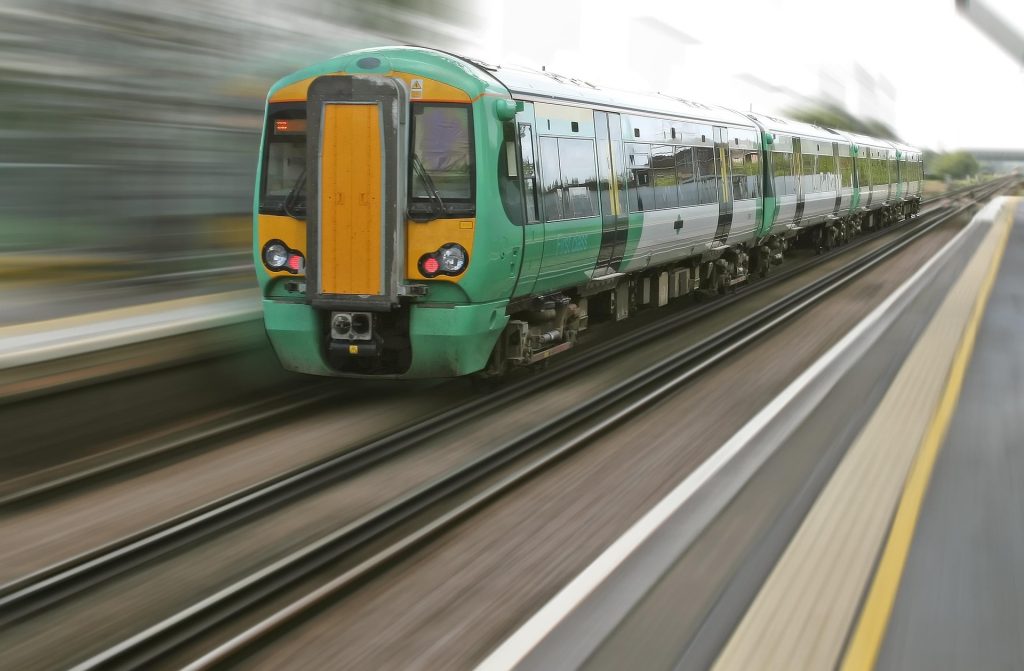
Hurtle (Verb) — US /ˈhɜːr.təl/ | UK /ˈhɜː.təl/
Meaning: Move very fast in a specific direction.
Examples:
- The car hurtled down the street.
- Ideas hurtled through his mind.
Fleet-footed (Adjective) — US /ˌfliːtˈfʊt.ɪd/ | UK /ˌfliːtˈfʊt.ɪd/
Meaning: Fast-moving or nimble.
Examples:
- The athlete is fleet-footed and agile.
- A fleet-footed messenger delivered the news.
Rapid-fire (Adjective) — US /ˈræp.ɪd.faɪər/ | UK /ˈræp.ɪd.faɪər/
Meaning: Very fast or continuous in succession.
Examples:
- He asked rapid-fire questions.
- The rapid-fire pace of the game excited fans.
Bracing (Adjective) — US /ˈbreɪ.sɪŋ/ | UK /ˈbreɪ.sɪŋ/
Meaning: Refreshing and invigorating, sometimes fast in effect.
Examples:
- The bracing wind made him quicken his pace.
- A bracing shower woke her up.
Fleetly (Adverb) — US /ˈfliːt.li/ | UK /ˈfliːt.li/
Meaning: Moving swiftly or lightly.
Examples:
- She moved fleetly across the room.
- Thoughts fleetly passed through his mind.
Briskly (Adverb) — US /ˈbrɪsk.li/ | UK /ˈbrɪsk.li/
Meaning: Quickly and energetically.
Examples:
- He walked briskly to school.
- She replied briskly to the message.
Zippy (Adjective) — US /ˈzɪp.i/ | UK /ˈzɪp.i/
Meaning: Fast, lively, and energetic.
Examples:
- A zippy little car zipped past.
- He gave a zippy response.
Lightning-fast (Adjective) — US /ˈlaɪt.nɪŋ.fæst/ | UK /ˈlaɪt.nɪŋ/.fɑːst/
Meaning: Extremely fast.
Examples:
- The computer executed the program lightning-fast.
- Her reflexes were lightning-fast.
Presto (Adjective/Adverb) — US /ˈprestoʊ/ | UK /ˈprestoʊ/
Meaning: Done very quickly or immediately.
Examples:
- He finished the task, presto!
- The magician moved his hands presto.
Hurried (Adjective) — US /ˈhɜːr.id/ | UK /ˈhʌr.id/
Meaning: Done quickly, sometimes without care.
Examples:
- She made a hurried exit.
- A hurried note was left on the desk.
Snell (Adjective, archaic) — US /snɛl/ | UK /snɛl/
Meaning: Fast, quick, or brisk (used in literary contexts).
Examples:
- The strong wind carried the leaves.
- He made a snell dash to the station.
Nimble (Adjective) — US /ˈnɪm.bəl/ | UK /ˈnɪm.bəl/
Meaning: Quick and light in movement.
Examples:
- A nimble dancer moved across the stage.
- She was nimble in solving problems.
Sprightly (Adjective) — US /ˈspraɪt.li/ | UK /ˈspraɪt.li/
Meaning: Energetic and quick.
Examples:
- The sprightly puppy ran around the yard.
- He gave a sprightly reply.
Swift-moving (Adjective) — US /swɪftˈmuːv.ɪŋ/ | UK /swɪftˈmuːv.ɪŋ/
Meaning: Moving quickly.
Examples:
- A swift-moving river carried debris.
- Swift-moving clouds covered the sky.
Whisking (Verb) — US /wɪsk/ | UK /wɪsk/
Meaning: Move or cause to move quickly.
Examples:
- She whisked the papers off the desk.
- The waiter whisked the plates away.
Fleetness (Noun) — US /ˈfliːt.nəs/ | UK /ˈfliːt.nəs/
Meaning: Speed or swiftness.
Examples:
- His fleetness surprised everyone.
- The horse was admired for its fleetness.
Swiftly (Adverb) — US /ˈswɪft.li/ | UK /ˈswɪft.li/
Meaning: In a quick or timely manner.
Examples:
- She moved swiftly through the crowd.
- The problem was solved swiftly.
Racing (Adjective) — US /ˈreɪ.sɪŋ/ | UK /ˈreɪ.sɪŋ/
Meaning: Moving very fast, like in a race.
Examples:
- A racing car zoomed past.
- His heart was racing from excitement.
Hasty-moving (Adjective) — US /ˈheɪ.stiˌmuːvɪŋ/ | UK /ˈheɪ.stiˌmuːvɪŋ/
Meaning: Moving quickly, sometimes without caution.
Examples:
- A hasty-moving shopper grabbed the last item.
- He made a hasty decision.
Rapidly (Adverb) — US /ˈræp.ɪd.li/ | UK /ˈræp.ɪd.li/
Meaning: At a fast pace.
Examples:
- The city grew rapidly over the years.
- He adapted rapidly to the new job.
Fleet-of-foot (Adjective) — US /ˌfliːt əv ˈfʊt/ | UK /ˌfliːt əv ˈfʊt/
Meaning: Very fast or nimble.
Examples:
- The runner was fleet-of-foot.
- A fleet-of-foot deer escaped predators.
Brisk-paced (Adjective) — US /brɪsk peɪst/ | UK /brɪsk peɪst/
Meaning: Moving at a fast and lively pace.
Examples:
- They took a brisk-paced walk in the park.
- A brisk-paced conversation kept everyone engaged.
Synonyms by Tone
- Positive: quick, rapid, swift, speedy, fleet, lightning
- Neutral: fast, brisk, turbo
- Negative: hasty
- Playful/Informal: turbo, lightning
Why tone matters: Choosing the right synonym affects clarity and emotional impact. “Hasty” may imply carelessness, while “swift” is positive.

Mini Comparison: Fast vs Quick vs Rapid
| Word | Meaning Difference | Tone Difference | Usage Tip |
| Fast | General speed | Neutral | Casual, everyday |
| Quick | Short-term action | Positive | Shows efficiency |
| Rapid | Strong, noticeable speed | Neutral to formal | Reports, writing |
Context-Based Usage
- Daily conversation: “She runs fast to catch the bus.”
- Writing/blogging: “Quick solutions can save time in life hacks articles.”
- Professional tone: “The team made rapid progress on the project.”
- Creative use: “He made a lightning escape from the haunted house.”
Common Mistakes & Native Usage
- Overuse: Using “fast” repeatedly can sound plain.
- Tone confusion: Avoid “hasty” for positive contexts.
- Formality: “Rapid” fits formal writing, “swift” works in both formal and creative contexts.
Real-Life Mini Scenarios
- Workplace: “Please expedite the report for the meeting.”
- Social situations: “She made a quick dash to the cafe.”
- Media/pop culture: “The movie’s pace was fast and thrilling.”
- Storytelling: “The hero quickly jumped over the river.”
Exercise Section
Scenario-Based Multiple Choice
- She made a ___ decision before the deadline.
a) slow
b) hasty
c) sluggish
d) calm - The train is very ___; we’ll arrive early.
a) rapid
b) lazy
c) steady
d) quiet - His typing is incredibly ___.
a) fleet
b) dull
c) lazy
d) delayed - The courier offered ___ delivery for our order.
a) expedited
b) slow
c) ordinary
d) careless - The athlete made a ___ sprint to the finish line.
a) quick
b) late
c) sluggish
d) clumsy - The cat made a ___ jump over the fence.
a) swift
b) clumsy
c) slow
d) dull - He responded with ___ efficiency.
a) lightning
b) lazy
c) sluggish
d) delayed - The manager gave a ___ nod and left the room.
a) brisk
b) slow
c) lazy
d) hesitant - The plane took off at a ___ pace.
a) turbo
b) slow
c) sluggish
d) calm - She always writes ___ notes during meetings.
a) speedy
b) slow
c) lazy
d) delayed
Reflection Task:
Write one sentence using a synonym of “fast” in your own context.
Answer Key: b | a | a | a | a | a | a | a | a | a

Conclusion
Learning synonyms for fast makes your English stronger and more precise. Using alternatives prevents repetition and keeps your writing fresh.
Students, bloggers, and content creators benefit from knowing different words like fast. It helps communicate speed clearly and engagingly.
Practicing synonyms for fast improves speaking, writing, and daily communication. You can use these words in emails, essays, and casual conversations.
Start applying these synonyms for fast today to enhance your vocabulary, storytelling, and confidence in English. Keep exploring fast-related words!
FAQs
1. What are synonyms for fast?
Synonyms for fast are words that describe something happening quickly or with high speed, such as quick, rapid, swift, and speedy.
2. Why should I learn synonyms for fast?
Learning synonyms for fast helps you avoid repetition, improve clarity, and choose the right tone in speaking and writing.
3. Is “quick” the same as “fast”?
They are very close, but quick often feels shorter, lighter, and more conversational than fast.
4. Which synonym for fast sounds more formal?
Words like rapid, prompt, and expeditious sound more formal and are common in professional or academic writing.
5. Are there negative synonyms for fast?
Yes. Words like hasty, rushed, and hurried suggest speed with carelessness or pressure.
6. What is a playful or informal synonym for fast?
Informal synonyms include zippy, snappy, and lightning-fast, often used in casual speech or creative writing.
7. Can “fast” be used as different parts of speech?
Yes. Fast is commonly an adjective and an adverb, depending on how it is used in a sentence.
8. Is “fast” suitable for professional writing?
It can be, but in formal contexts, synonyms like rapid or prompt are often clearer and more polished.
9. How do native speakers choose the right synonym for fast?
Native speakers choose based on tone, context, and situation, not just speed alone.
10. How can I practice using synonyms for fast?
Try replacing fast in emails, essays, or daily conversations with a suitable synonym and notice how the tone changes.
