
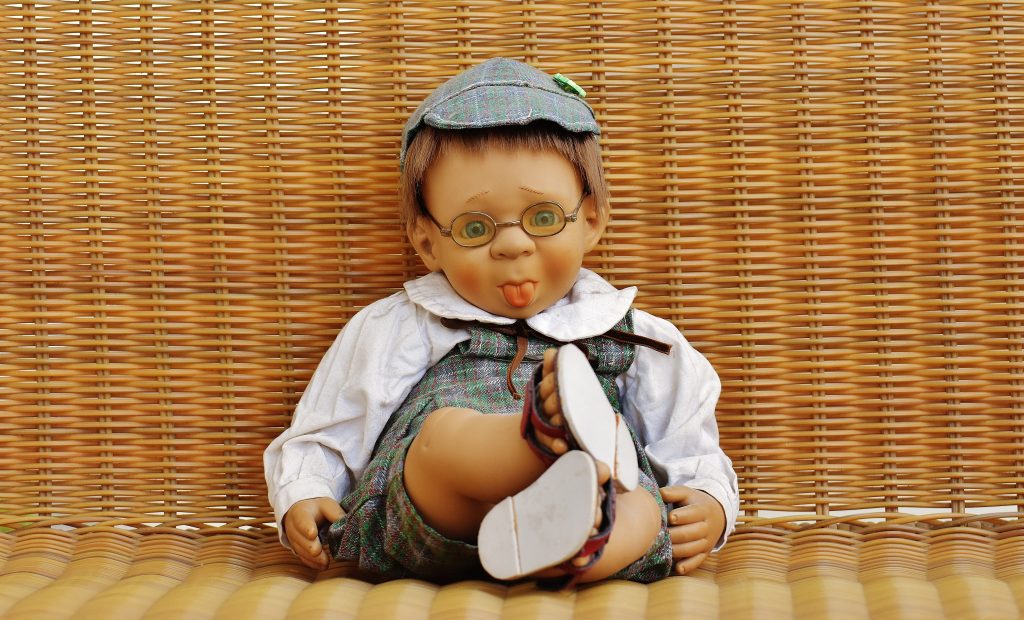
Synonyms for Naughty often come to mind when describing a playful child who breaks rules but still makes everyone smile. It is a common word in everyday English.
For example, a child hides your phone and laughs. You might say, “That’s naughty!” But using different words can make your speech richer.
Learning synonyms for naughty helps you avoid repeating the same word again and again. It improves your speaking and writing style.
This word is useful for students, bloggers, and daily English users because it appears often in conversations, stories, and social media.
What Does “Synonyms for Naughty” Really Mean?
The word naughty is an adjective. It describes someone who behaves badly, breaks rules, or acts in a playful but slightly improper way.
Native speakers use it in both light and serious situations. It can describe a child, a joke, or even a playful comment.
It is commonly used in daily conversations, storytelling, and informal writing.
Connotative Meaning
(Connotation means the emotional feeling or tone a word carries beyond its basic meaning.)
Positive tone: playful, fun, cheeky
Negative tone: rude, disobedient, improper
Neutral tone: slightly wrong behavior without strong emotion
Etymology
The word naughty comes from Old English nāwiht, meaning “nothing” or “having nothing.”
Old English (450–1100): It meant “poor” or “having nothing.”
Middle English (1100–1500): It changed to mean “bad” or “wicked.”
Modern English (1500–Present): It now means playful misbehavior or mild wrongdoing.
Pronunciation
US: /ˈnɔːti/
UK: /ˈnɔːti/
Syllables: nau-ghty
Affixation Pattern
Root: naught
Prefix: none
Suffix: -y
Synonyms List
Mischievous (Adjective) — US /ˈmɪstʃɪvəs/ | UK /ˈmɪstʃɪvəs/
Meaning: Showing playful troublemaking behavior.
Examples:
- The boy gave a mischievous smile.
- She made a mischievous joke at dinner.
Playful (Adjective) — US /ˈpleɪfəl/ | UK /ˈpleɪfəl/
Meaning: Full of fun and light-hearted energy.
Examples:
- The puppy was playful all day.
- He gave a playful wink.
Cheeky (Adjective) — US /ˈtʃiːki/ | UK /ˈtʃiːki/
Meaning: Slightly rude but funnily or boldly.
Examples:
- She made a cheeky comment.
- That was a cheeky reply.
Disobedient (Adjective) — US /ˌdɪsəˈbiːdiənt/ | UK /ˌdɪsəˈbiːdiənt/
Meaning: Not following rules or instructions.
Examples:
- The child was disobedient at school.
- He refused to listen and stayed disobedient.
Impish (Adjective) — US /ˈɪmpɪʃ/ | UK /ˈɪmpɪʃ/
Meaning: Showing playful mischief.
Examples:
- She had an impish grin.
- His impish behavior made everyone laugh.
Rude (Adjective) — US /ruːd/ | UK /ruːd/
Meaning: Not polite or respectful.
Examples:
- He gave a rude answer.
- That was a rude comment.
Bold (Adjective) — US /boʊld/ | UK /bəʊld/
Meaning: Showing confidence, sometimes too much.
Examples:
- She made a bold move.
- His bold behavior shocked everyone.
Rebellious (Adjective) — US /rɪˈbɛliəs/ | UK /rɪˈbɛliəs/
Meaning: Strongly resisting rules or authority.
Examples:
- Teenagers can be rebellious.
- He had a rebellious attitude.
Bad (Adjective) — US /bæd/ | UK /bæd/
Meaning: Not good or behaving wrongly.
Examples:
- The child was bad today.
- That was a bad decision.
Silly (Adjective) — US /ˈsɪli/ | UK /ˈsɪli/
Meaning: Acting in a foolish but harmless way.
Examples:
- He made a silly joke.
- Don’t be silly.

Saucy (Adjective) — US /ˈsɔːsi/ | UK /ˈsɔːsi/
Meaning: Slightly rude, playfully or boldly.
Examples:
- She gave a saucy reply.
- That was a saucy remark.
Improper (Adjective) — US /ɪmˈprɑːpər/ | UK /ɪmˈprɒpə/
Meaning: Not suitable or socially acceptable.
Examples:
- His behavior was improper.
- That comment was improper.
Wild (Adjective) — US /waɪld/ | UK /waɪld/
Meaning: Hard to control or full of energy.
Examples:
- The kids were wild.
- He had a wild reaction.
Rowdy (Adjective) — US /ˈraʊdi/ | UK /ˈraʊdi/
Meaning: Noisy and disorderly.
Examples:
- The crowd was rowdy.
- They became rowdy at the party.
Frisky (Adjective) — US /ˈfrɪski/ | UK /ˈfrɪski/
Meaning: Playful and energetic.
Examples:
- The dog was frisky.
- She felt frisky and happy.
Naughty-minded (Adjective) — US /ˈnɔːti ˈmaɪndɪd/ | UK /ˈnɔːti ˈmaɪndɪd/
Meaning: Thinking in a playful or slightly improper way.
Examples:
- He has a naughty-minded sense of humor.
- That was a naughty-minded joke.
Insolent (Adjective) — US /ˈɪnsələnt/ | UK /ˈɪnsələnt/
Meaning: Showing rude and disrespectful behavior.
Examples:
- He gave an insolent reply to the teacher.
- That was an insolent attitude.
Bratty (Adjective) — US /ˈbræti/ | UK /ˈbræti/
Meaning: Behaving like a spoiled and annoying child.
Examples:
- The kid became bratty in the store.
- Don’t act bratty with your parents.
Sassy (Adjective) — US /ˈsæsi/ | UK /ˈsæsi/
Meaning: Bold and slightly rude in a lively way.
Examples:
- She gave a sassy answer.
- That was a sassy remark.
Defiant (Adjective) — US /dɪˈfaɪənt/ | UK /dɪˈfaɪənt/
Meaning: Openly refusing to obey rules.
Examples:
- The child looked defiant.
- He stayed defiant during the argument.
Undisciplined (Adjective) — US /ˌʌnˈdɪsəplɪnd/ | UK /ˌʌnˈdɪsəplɪnd/
Meaning: Lacking control or proper behavior.
Examples:
- The class was undisciplined.
- He seemed undisciplined at work.
Wayward (Adjective) — US /ˈweɪwərd/ | UK /ˈweɪwəd/
Meaning: Hard to control and often behaves badly.
Examples:
- The wayward child ignored rules.
- He had a wayward nature.
Unruly (Adjective) — US /ʌnˈruːli/ | UK /ʌnˈruːli/
Meaning: Difficult to control or manage.
Examples:
- The crowd became unruly.
- His unruly behavior caused trouble.
Ill-behaved (Adjective) — US /ˌɪl bɪˈheɪvd/ | UK /ˌɪl bɪˈheɪvd/
Meaning: Acting in a bad or improper way.
Examples:
- The children were ill-behaved.
- He is often ill-behaved in class.
Petulant (Adjective) — US /ˈpɛtʃələnt/ | UK /ˈpɛtjʊlənt/
Meaning: Easily annoyed and behaving childishly.
Examples:
- She gave a petulant response.
- He sounded petulant.
Frivolous (Adjective) — US /ˈfrɪvələs/ | UK /ˈfrɪvələs/
Meaning: Not serious and sometimes careless.
Examples:
- That was a frivolous comment.
- He made a frivolous decision.
Irresponsible (Adjective) — US /ˌɪrɪˈspɑːnsəbl/ | UK /ˌɪrɪˈspɒnsəbl/
Meaning: Not showing care or responsibility.
Examples:
- That was an irresponsible act.
- He behaved irresponsibly.
Shameless (Adjective) — US /ˈʃeɪmləs/ | UK /ˈʃeɪmləs/
Meaning: Not feeling guilt for bad behavior.
Examples:
- He gave a shameless excuse.
- That was shameless behavior.
Impertinent (Adjective) — US /ɪmˈpɜːrtnənt/ | UK /ɪmˈpɜːtɪnənt/
Meaning: Not showing proper respect.
Examples:
- She made an impertinent remark.
- That question was impertinent.
Rascal (Noun) — US /ˈræskəl/ | UK /ˈrɑːskəl/
Meaning: A playful person who behaves badly.
Examples:
- He is a little rascal.
- That rascal hid my keys.

Rogue (Noun) — US /roʊɡ/ | UK /rəʊɡ/
Meaning: A dishonest or playful troublemaker.
Examples:
- He acted like a rogue.
- That rogue tricked everyone.
Scamp (Noun) — US /skæmp/ | UK /skæmp/
Meaning: A playful person who causes harmless trouble.
Examples:
- The boy is a little scamp.
- That scamp played a prank.
Trickster (Noun) — US /ˈtrɪkstər/ | UK /ˈtrɪkstə/
Meaning: Someone who likes to play tricks.
Examples:
- He is a natural trickster.
- The trickster fooled his friends.
Prankish (Adjective) — US /ˈpræŋkɪʃ/ | UK /ˈpræŋkɪʃ/
Meaning: Liking to play tricks or jokes.
Examples:
- He has a prankish nature.
- That was a prankish act.
Teasing (Adjective) — US /ˈtiːzɪŋ/ | UK /ˈtiːzɪŋ/
Meaning: Playfully making fun of others.
Examples:
- She gave a teasing smile.
- That was a teasing comment.
Naughtyish (Adjective) — US /ˈnɔːtiɪʃ/ | UK /ˈnɔːtiɪʃ/
Meaning: Slightly naughty or playful.
Examples:
- He gave a naughtyish grin.
- That was a naughtyish joke.
Wildish (Adjective) — US /ˈwaɪldɪʃ/ | UK /ˈwaɪldɪʃ/
Meaning: Somewhat wild or uncontrolled.
Examples:
- The kids were wildish.
- He had a wildish mood.
Play-acting (Adjective) — US /ˈpleɪ ˌæktɪŋ/ | UK /ˈpleɪ ˌæktɪŋ/
Meaning: Pretending playfully or dramatically.
Examples:
- The child was play-acting naughtily.
- That was just play-acting behavior.
Bold-faced (Adjective) — US /ˌboʊld ˈfeɪst/ | UK /ˌbəʊld ˈfeɪst/
Meaning: Very open and shameless behavior.
Examples:
- That was a bald-faced lie.
- He showed bold-faced behavior.
Improvident (Adjective) — US /ɪmˈprɑːvɪdənt/ | UK /ɪmˈprɒvɪdənt/
Meaning: Not planning carefully, acting carelessly.
Examples:
- That was an improvident choice.
- He acted improvidently.
Capricious (Adjective) — US /kəˈprɪʃəs/ | UK /kəˈprɪʃəs/
Meaning: Changing behavior suddenly and unpredictably.
Examples:
- She has a capricious mood.
- His capricious actions confused everyone.
Synonyms for “Synonyms for Naughty” by Tone
Positive: playful, impish, frisky
Neutral: silly, bold, wild
Negative: rude, disobedient, rebellious
Playful/Informal: cheeky, saucy
Tone matters because the same word can sound friendly or offensive depending on the situation.
“Synonyms for Naughty” vs Close Alternatives
Naughty vs Mischievous
Naughty is broader, while mischievous feels more playful.
Naughty vs Rude
Naughty can be light, but rude is clearly negative.
Naughty vs Playful
Playful is positive, while naughty may include rule-breaking.
Context-Based Usage
Daily Conversation
Used for kids or jokes. Example: “He’s a naughty boy.”
Writing or Blogging
Adds personality and style to content.
Professional or Academic Tone
Avoid using it. Use “inappropriate” instead.
Creative or Informal Use
Great for humor, stories, and characters.
Common Mistakes & Native Usage
Many learners think that ” naughty always means something serious. In most cases, it means light or playful misbehavior.
Avoid using it in formal writing or professional emails.
Register Notes
Informal in spoken English
Rare in formal writing
You can also explore related words like synonyms for angry to improve tone understanding.

Real-Life Mini Scenarios
Workplace
He made a naughty joke, but it felt inappropriate.
Social Situations
The kids were naughty at the party, but still fun.
Media / Pop Culture
Characters often act naughtily for humor.
Writing or Storytelling
A naughty character adds charm and interest.
Exercise Section
Choose the correct synonym
- The child broke the rules but smiled
a mischievous b formal c polite - The joke was funny but bold
a cheeky b calm c silent - The student didn’t follow the rules
a disobedient b helpful c kind - The puppy was full of energy
a frisky b tired c quiet - The comment was slightly rude
a saucy b gentle c soft - The kids were loud and wild
a rowdy b calm c peaceful - The joke was silly and harmless
a silly b serious c formal - The teen resisted authority
a rebellious b polite c shy - The reply was rude
a rude b kind c nice - The child acted playfully
a playful b angry c dull
Answer Key 1-a 2-a 3-a 4-a 5-a 6-a 7-a 8-a 9-a 10-a
Task
Write one sentence using any synonym of “naughty.”
Conclusion
Learning synonyms for naughty helps you express ideas clearly and naturally in daily communication. It gives you more ways to describe behavior.
These words improve your writing, speaking, and storytelling skills. They make your language more engaging and interesting.
Using the right synonym helps you match tone and context easily. This is very important for effective communication.
Start practicing these words in emails, essays, and daily conversations to build strong and confident English skills.
FAQs
1. What does “naughty” mean?
“Naughty” describes someone who behaves badly, disobeys rules, or is playfully mischievous.
2. Is “naughty” positive or negative?
It can be both. Playful misbehavior is positive, but disobedience or rudeness is negative.
3. Can adults be called “naughty”?
Yes, in playful contexts. For serious misbehavior, other words like “rude” or “rebellious” are better.
4. What are common synonyms for “naughty”?
Some common ones are mischievous, cheeky, playful, impish, bratty, frisky, and sassy.
5. How do I use “naughty” in writing?
Use it in stories, blogs, or casual writing to describe playful misbehavior or light trouble.
6. What is the origin of “naughty”?
It comes from Old English nāwiht, meaning “nothing,” and evolved to mean “bad” or “misbehaving.”
7. Can “naughty” be formal?
No, it’s informal. For professional or academic writing, use words like “improper” or “inappropriate.”
8. How do I pronounce “naughty”?
US: /ˈnɔːti/
UK: /ˈnɔːti/
9. What is the tone of “naughty”?
It depends on context: playful, cheeky, or slightly negative for misbehavior.
10. Why is learning synonyms for “naughty” useful?
It helps expand vocabulary, improves expression, and lets you match the right tone in conversations, writing, and storytelling.
